

KNOWING YOUR ROLE
SUICIDE PREVENTION IS EVERYONE’S BUSINESS,
AND EVERYONE HAS A ROLE TO PLAY.
In sport, teammates, coaches, staff, officials, and volunteers are often part of each other’s immediate circle, including in crisis moments and in times of reflection. These are the people who are most likely to notice when something changes, who have the opportunity to start a caring conversation, and who can help someone access support. When that circle is informed and confident, it strengthens the wider system around it, helping people connect with the right support at the right time, from welfare leads to family members, professional mental health support and the statutory sector.
Not everyone is expected to be a mental health professional or provide the necessary support services. But you can be the gateway to them. The responsibility on organisations is to have clear procedures, structures and defined roles in place to support everyone involved. For individuals, it is to notice, respond appropriately and pass concerns on, within the same framework.
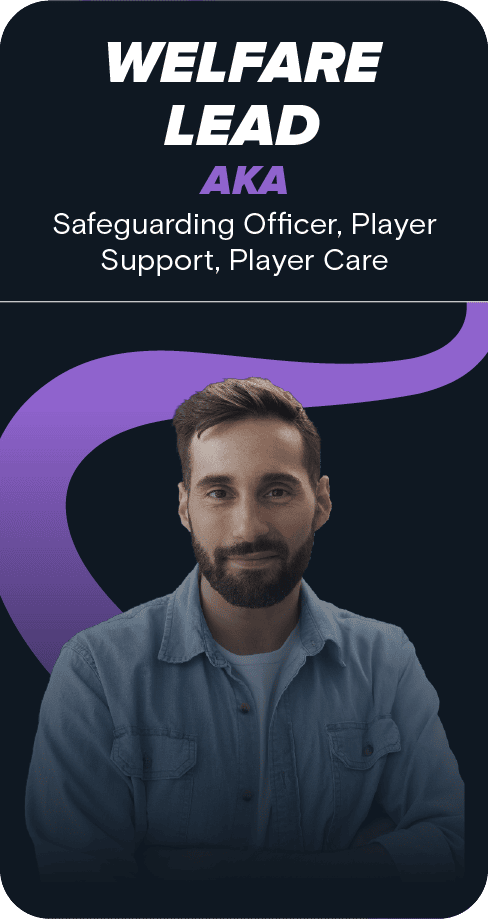
UNIQUE POSITION
Likely to have prior experience in sports mental health
KEY CHALLENGE
May not have the authority to sign off policy decisions
WAYS TO EMBED
- Hold regular wellbeing check-ins
- Monitor behavioural changes
- Provide additional support during key moments (e.g. injury, deselection)
- Encourage peer support
- Know where to signpost to
HOW YOUR ORGANISATION CAN SUPPORT
- Include suicide prevention in safeguarding training
- Include suicide prevention in safeguarding policy
- A mechanism for individual access at key times

UNIQUE POSITION
Most likely to have the biggest influence on team wellbeing.
KEY CHALLENGE
Might not always prioritise individual wellbeing over sporting goals.
HOW TO TAKE ACTION
- Monitor behavioural changes
- Avoid messaging that prioritises performance over wellbeing
- Provide additional support during key moments
- Manage public perception of individuals carefully (e.g. pre/post-event interviews)
HOW ORGANISATIONS CAN SUPPORT
- Ensure they are clear on referral processes and signposting
- Create one-to-one check-in structure for managers and players
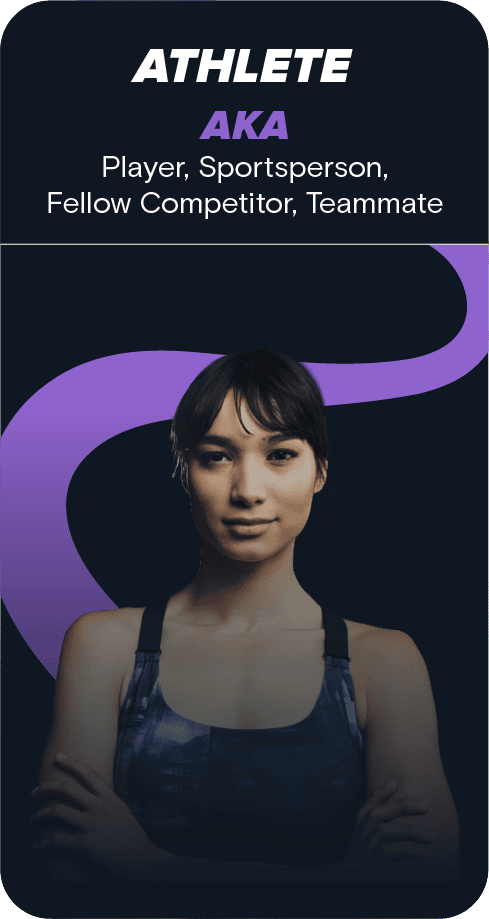
UNIQUE POSITION
Most likely to have the biggest influence on fellow athletes.
KEY CHALLENGE
Could be inexperienced and have no mental health or suicide prevention training.
HOW TO TAKE ACTION
- Use respectful and responsible language
- Challenge abusive behaviour and harmful language
- Look out for others and offer support where appropriate
- Know where to signpost
HOW ORGANISATIONS CAN SUPPORT
- Ensure players know where to signpost
- Provide space for people to seek help and raise concerns
- Provide suicide prevention training
UNIQUE POSITION
Help to shape the culture, of the team identity and public profile.
KEY CHALLENGE
Limited access to the internal frameworks or suicide prevention training that the team has implemented.
HOW TO TAKE ACTION
- Use respectful and responsible language
- Challenge abusive behaviour and harmful language
- Provide faithful, consistent support in key moments
- Be mindful of fans’ social media influence
- Know where to signpost to
HOW ORGANISATIONS CAN SUPPORT
- Create suicide prevention awareness campaigns on social media
- Engage fans on match days through messaging and pop-ups support

UNIQUE POSITION
Can create policy, lay the foundation and allocate resources.
KEY CHALLENGE
Might be distant from the day-to-day operations of the organisation.
HOW TO TAKE ACTION
- Best placed to allocate budget for training and support
- Public representation to champion suicide prevention practices
- Ensure suicide prevention practices are heavily featured in safeguarding frameworks
- Lead by example as an advocate for good practice in suicide prevention
HOW YOUR ORGANISATION CAN SUPPORT
- Remember that every role, at every level, has a part to play
- Ensure support mechanisms are in place for senior leaders
- Mandate suicide prevention training for senior leaders
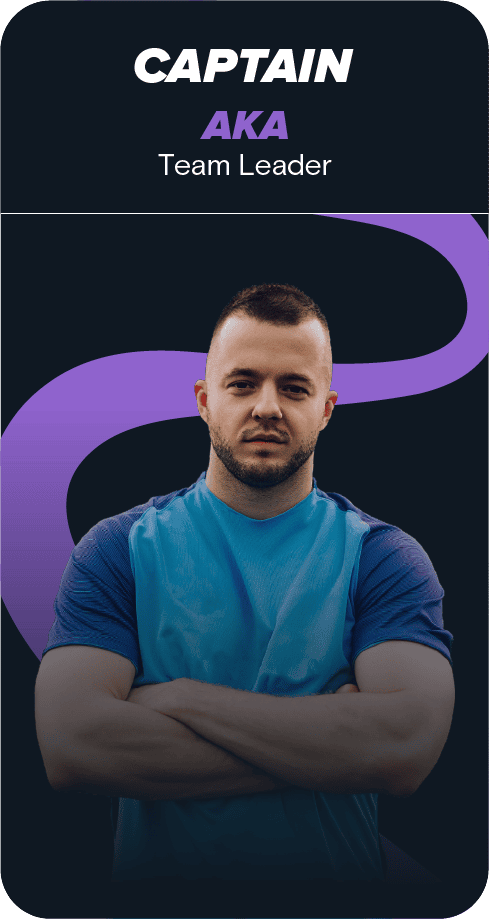
UNIQUE POSITION
Trusted peer, role model and in the best position to escalate.
KEY CHALLENGE
Limited suicide prevention expertise, has to manage dressing room dynamics.
HOW TO TAKE ACTION
- Use respectful and responsible language
- Challenge abusive behaviour and harmful language
- Look out for others and offer support and signposting where appropriate
- Escalate when necessary
HOW ORGANISATIONS CAN SUPPORT
- Provide suicide prevention training
- Mechanism for feeding back to coach/manager, welfare or CEO
- Influence to help shape suicide prevention policies
UNIQUE POSITION
Most likely to notice changes in behaviour and mood outside sporting environment, and the most likely to have conversations about key moments of doubt and stress.
KEY CHALLENGE
May lack confidence and knowledge about suicide prevention. May not have understanding of sport processes. May struggle to balance the emotions of sporting success/failure with wellbeing support.
HOW TO TAKE ACTION
- Watch for withdrawal and strong reactions
- Encourage identity beyond sport
- Support open and honest conversations about emotions
- Know where to go for support
- Prioritise emotional wellbeing
HOW ORGANISATIONS CAN SUPPORT
- Keep families and support networks up to speed on what is being implemented in the team, and deliver guidance on how they can provide support outside the sporting environment
- Provide a mechanism for communicating to welfare officers on mental health concerns
UNIQUE POSITION
Overall influence on policy, top-tier of leadership, plays a more direct leadership role in individual sports.
KEY CHALLENGE
Alignment with on-the-ground realities of sport and disconnect from day-to-day pressures. Hard to build a position of trust when layers of officialdom/red tape can dilute messaging.
HOW TO TAKE ACTION
- Strong leadership, messaging and policy on suicide prevention
- Create a mechanism for regular interaction with individuals
- Create strong support pathways and clear signposting
- Consistent messaging that prioritises wellbeing over competitive goals
- Maintain visibility across all levels within the sport, i.e. grassroots, academy, elite, coaches, officials etc
- Provide CEOs and welfare leads with the tools and resources to embed wellbeing practices

UNIQUE POSITION
Regularly interacts with athletes, teams, coaches and other officials during high-pressure moments. Can influence whether the sporting environment feels respectful and safe.
KEY CHALLENGE
Can face intense scrutiny, abuse and pressure to make decisions in the moment, which may sometimes bypass recommended suicide prevention procedures.
HOW TO TAKE ACTION
- Encourage respectful language and challenge abusive behaviour
- Be aware of and monitor behavioural change in individuals
- Feed back to coaches, welfare officers and organisations about individual concerns or about specific incidents
- Respond appropriately to signs of stress or strain in an individual during an event
HOW ORGANISATIONS CAN SUPPORT
- Provide role-appropriate suicide awareness and signposting training
- Make clear who officials should contact if they are worried about an athlete, colleague or member of staff
- Provide support following particularly difficult, high-profile or contentious fixtures
- Include officials in pre-event welfare briefings and post-event debriefs where appropriate

UNIQUE POSITION
Shape the internal and external messaging of the team, organisation or individual, which in turn influence identity and culture – and, ultimately, public perception.
KEY CHALLENGE
Need to ensure sensitive/accurate communication.
HOW TO TAKE ACTION
- Develop safe messaging guidelines relating to suicide prevention and self-harm
- Share support services and signposting information
- Utilise storytelling to reduce stigma around seeking help
- Prepare and guide individuals through interviews and media appearances
- Ensure messaging is consistent with suicide prevention policies
- Monitor online/social media for abuse or warning signs
HOW ORGANISATIONS CAN SUPPORT
- Provide scope to deliver strong suicide prevention messaging
- Provide a mechanism to feedback online/social media concerns
- Provide influence to shape policy and messaging
UNIQUE POSITION
On the front line with direct contact with fans and attendees during events, and a link to teams and sportspeople.
KEY CHALLENGE
The main focus of their role is customer service and crowd safety, and hence they may not receive suicide prevention training. They may also have limited power to influence policy.
HOW TO TAKE ACTION
- Include wellbeing messages in your welcome, so that even if no signs are present the attendees have some point of reference to you
- Notice changes in behaviour
- Build relationships with long-term fans
- Report comments/abuse using structured processes
- Facilitate safe and authorised interaction and engagement between competitors/individuals and fans
HOW ORGANISATIONS CAN SUPPORT
- Provide stewards with basic suicide prevention training (with an emphasis on the signs of distress or crisis)
- Designate a place where they can take attendees quickly, so that escalation processes can happen swiftly

UNIQUE POSITION
Expertise in mental health, wellbeing, escalation processes and suicide prevention education.
KEY CHALLENGE
May not be able to dedicate sufficient time to all individuals, and may need specialist skills or expertise for some issues.
HOW TO TAKE ACTION
- Deliver suicide prevention education and training and contribute to continued learning
- Support the development of policy and implementation (can provide helpful fact checking)
- Be a source of advice for staff on responding to wellbeing concerns more broadly
- Promote inclusivity by holding one-to-one sessions with all individuals and dedicating the same time and attention to everyone
HOW ORGANISATIONS CAN SUPPORT
- Facilitate regular sessions for everyone to help prioritise suicide prevention and embed policy
- Enable psychologists to liaise and feedback to coaches/welfare staff and help to shape policy
UNIQUE POSITION
Most likely will have a closer, one-to-one relationship with individuals, particularly ones who are going through a period of injury and rehabilitation, which can also increase suicide risk because they are “out of the game”.
KEY CHALLENGE
Their expertise lies in physical recovery, therefore they may not feel best equipped to address mental health concerns as they arise. May not always be permanent staff and could be suppliers/contractors.
HOW TO TAKE ACTION
- Incorporate positive messaging into rehabilitation programmes
- Ask players how they’re really feeling at physio appointments and encourage deeper conversations on wider issues away from the sporting environment
- Watch for mood changes surrounding injury
- Liaise with coaches, welfare officers, and the captain over individual concerns
HOW ORGANISATIONS CAN SUPPORT
- Ensure physios have a clear understanding of referral pathways and escalation processes
- Ensure physios collaborate with mental health professionals to create a more holistic rehabilitation plan
- Ensure physios understand the mental health impacts of being “out of the game”
UNIQUE POSITION
Most likely to interact regularly with fans and supporters. Likely to be connected with the community, and to understand the pressures of competing in a specific environment.
KEY CHALLENGE
May have little or no organisational power or influence
HOW TO TAKE ACTION
- Use respectful and responsible language
- Challenge abusive behaviour and harmful language
- Look out for others and offer support where appropriate
- Watch for withdrawal and strong reactions
- Know where to signpost
HOW ORGANISATIONS CAN SUPPORT
- Provide training in suicide prevention and signposting
- Provide an appropriate mechanism for feeding back concerns

UNIQUE POSITION
Can build suicide prevention and workforce wellbeing expectations into criteria for services or supplier selection.
KEY CHALLENGE
May view suicide prevention as outside the commercial process. Smaller suppliers may struggle to balance wellbeing requirements with cost, capacity and proportionality.
HOW TO TAKE ACTION
- Include proportionate wellbeing, safeguarding and suicide prevention expectations in tenders and contracts
- Share the toolkit and practical resources with commissioned organisations
- Be aware of the pressures involved in asking individuals to undertake commercial commitments (time, skills, media attention etc)
HOW ORGANISATIONS CAN SUPPORT
- Include basic suicide prevention training, signposting and escalation information in recruitment and induction

UNIQUE POSITION
May work across different areas of the organisation and notice concerns that permanent staff don’t see.
KEY CHALLENGE
May not receive the same induction, training or wellbeing support as permanent staff, and may be unclear about who to contact if they are concerned about someone.
HOW TO TAKE ACTION
- Be aware of behavioural changes in people you see regularly
- Use responsible and respectful language
- Steer people towards signposting routes as necessary
HOW ORGANISATIONS CAN SUPPORT
- Include basic suicide prevention training, signposting and escalation information in onboarding
- Give contractors a named contact and a clear route for raising wellbeing or safety concerns
- Introduce contractors to relevant support staff and contact
- Ensure contractors are included in relevant debriefing or aftercare
FREE DIGITAL DOWNLOADS
Download the Toolkit PDF and the British Standard below.

Keep up to date
Subscribe for regular updates on new information and resources.